
Key Takeaways
- Independence means having the freedom to choose, not doing every single thing alone.
- Staying active with daily tasks helps support balance, strength, and steady walking.
- Making your own choices supports a sense of purpose and self-worth.
- Friendships and shared meals help keep independence strong.
- Small changes at home, like handrails and secure rugs, can go a long way.
- Assisted living can open doors by pairing personal care with daily social connection.
What Independence Really Means Later in Life
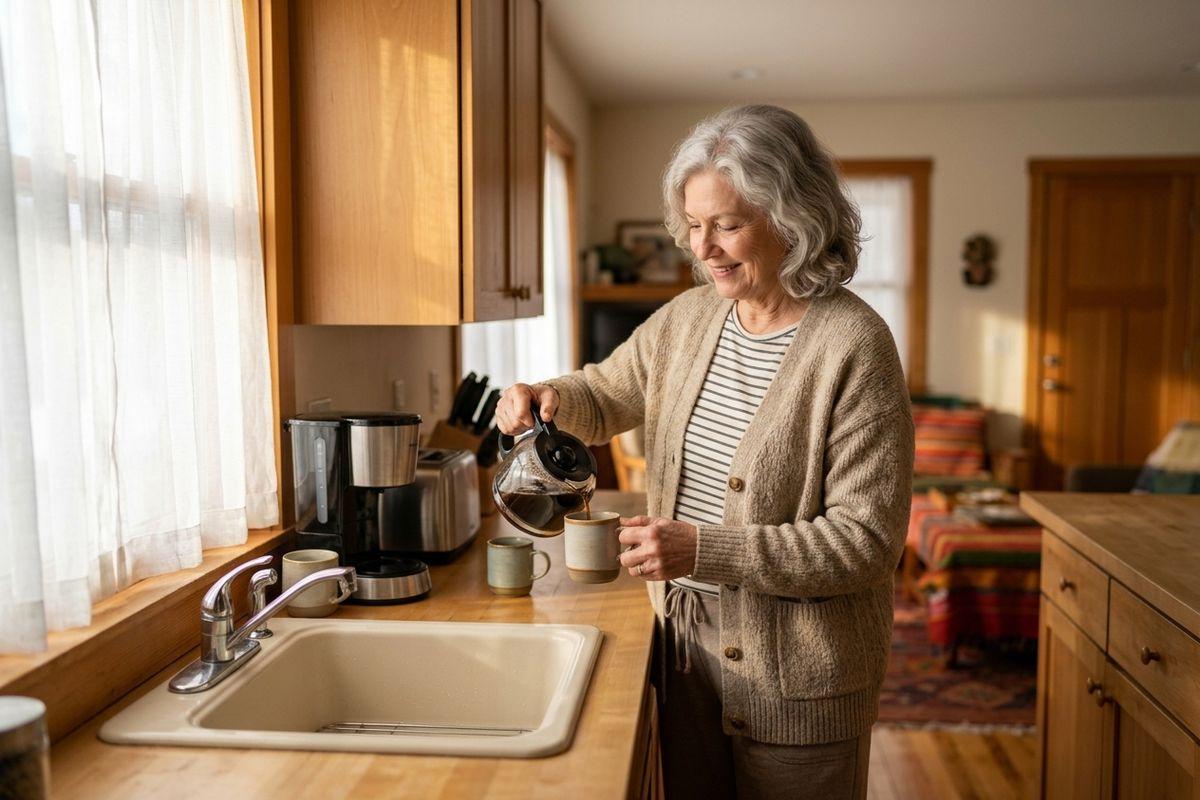
Maybe your mom still insists on making her own coffee every morning, even though her hands shake a little. Or your dad drives himself to the hardware store because that trip has been his routine for 40 years. Those small acts carry a lot of meaning, and pushing back on them rarely goes over well.
Independence matters for seniors because it protects the freedom to choose, and that freedom supports physical health, emotional well-being, and a genuine sense of purpose every single day.
Independence isn’t about handling everything without help. It shows up in the small stuff, picking out an outfit, choosing what’s for lunch, deciding whether today is a crossword day or a garden day. Support can actually add to independence rather than take it away, which is one reason Twinbrook Assisted Living builds daily life around resident choice. When someone else handles the heavy laundry basket, there’s more energy left for the things that bring joy, from a morning stroll to an afternoon spent at one of the community’s events and activities.
How Independence Supports Health and Happiness
Physical Benefits
Movement throughout the day helps maintain balance, strength, and walking speed. Reaching into a cabinet, walking to the mailbox, and folding towels all keep the body working in useful ways.
These everyday tasks add up. Someone who still waters their own plants and walks down the hallway to visit a friend is getting steady, natural activity. Nobody ever has to call it exercise.
Emotional Benefits
Choice brings a sense of purpose. When your loved one decides how their morning goes, they’re reminded that their preferences still count for something.
That control over a daily routine can lift someone’s whole outlook. Waking up with a plan you made yourself feels very different from waking up to someone else’s schedule.
Why Social Connection Keeps Independence Strong
Independence and solitude aren’t the same thing. Someone can live entirely alone and feel far less free than a person surrounded by neighbors who know their name.
Connection tends to keep people moving and engaged. Think about what actually gets someone out the door.
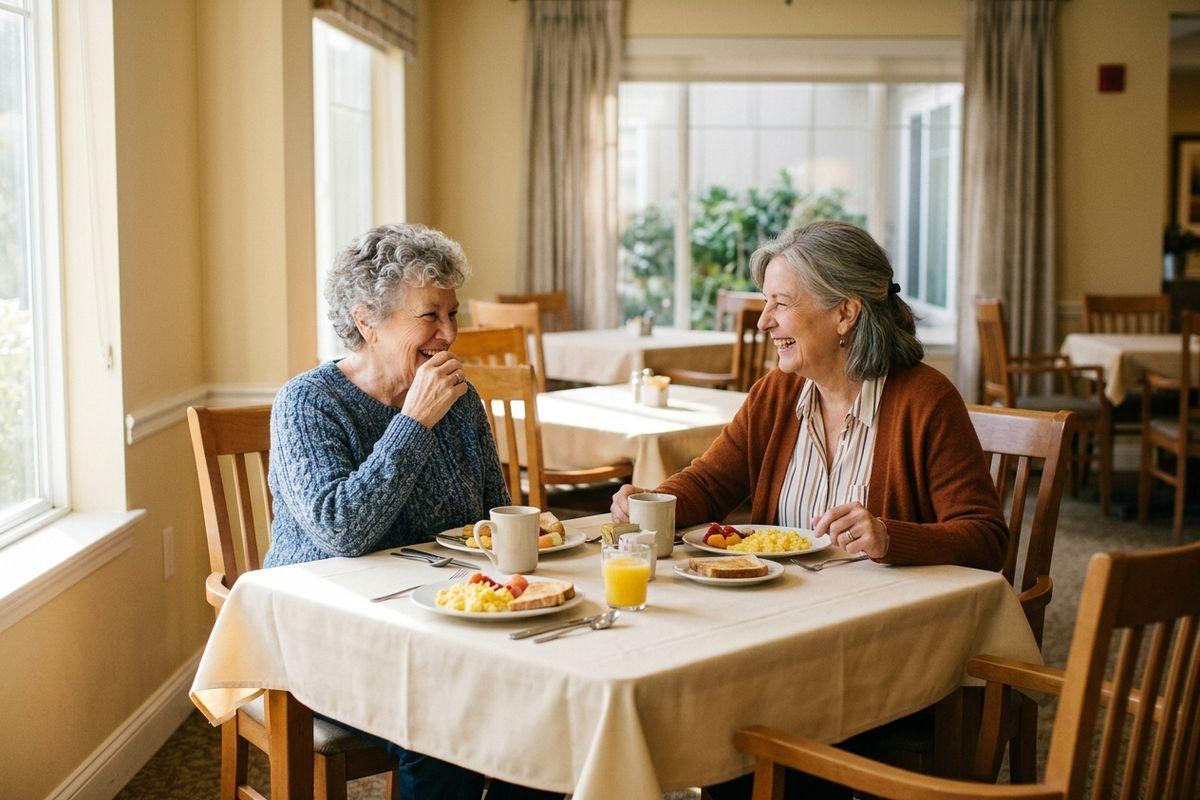
- A friend saving a seat at breakfast
- A card game that meets every Tuesday
- Shared meals where conversation runs long
- Group outings around Louisville worth getting dressed up for
Many senior living communities in Louisville are built around exactly this idea. When friendly faces are just down the hall, staying active becomes the natural choice instead of the hard one.
Simple Ways to Support a Senior’s Independence at Home
Safety First
A few practical changes can help someone keep doing what they’ve always done. Secure loose rugs with non-slip backing, add handrails in the bathroom and along stairs, and smooth out uneven flooring where you can.
It also helps to organize medications in a weekly container and test smoke alarms on a set schedule. These small fixes remove worry without removing freedom.
Helpful Technology
The right tools can quietly widen someone’s world. Consider a few options.
- Wearable help buttons that work anywhere in the house
- Phones and clocks with large, easy-to-read numbers
- Tablets set up for one-tap video calls
- Voice assistants for reminders and music
A weekly video call with a grandchild in another state can brighten an entire week.
Let Their Voice Lead
Include your loved one in decisions about their care from the very beginning. Even when the conversation feels difficult, being part of it changes how the outcome lands.
Offer choices instead of instructions. “Would you rather visit on Saturday or Sunday?” tends to work far more smoothly than “You’re going on Saturday.”
When Assisted Living Helps Independence Grow
Signs More Support Could Help
Sometimes the signals are quiet. You might notice skipped meals, a fridge with expired food, or a hobby that hasn’t been touched in months.
Fewer trips out of the house is another one worth watching, since social isolation tends to build slowly. And when home upkeep turns into a daily source of stress, the house has started running the person instead of the other way around.
What Senior Living Adds
Assisted living offers personal care alongside real privacy. Residents keep their own routines, their own apartments, and their own preferences about how a day unfolds.
What gets added is a built-in rhythm. Neighbors are nearby, and activities fill the calendar. Meals already handled means the energy once spent on chores can go toward friendships and fun instead.
Final Thoughts on Independence and Senior Living
Independence comes down to choice, dignity, and connection. The right kind of support doesn’t close doors, it opens them, giving your loved one more room to do what they enjoy.
Twinbrook Assisted Living has spent decades helping Louisville seniors live full, connected days on their own terms. Schedule a tour to see how the community feels in person and meet the neighbors who make it home.